We provide professional resin bound surfacing services in Baltimore, MD for worn, cracked, or poorly draining surfaces that collect water, shift, or deteriorate over time. Installation bonds decorative aggregate with resin to create a permeable surface that improves drainage and restores long-term surface stability. Request a quote today.
What Is Resin Bound Surfacing and How Is It Different From Loose Gravel?
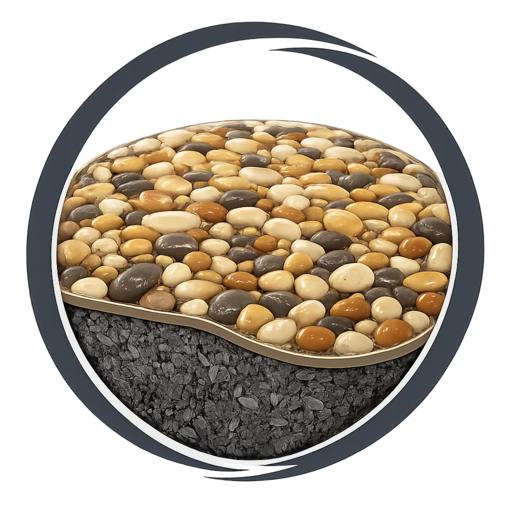
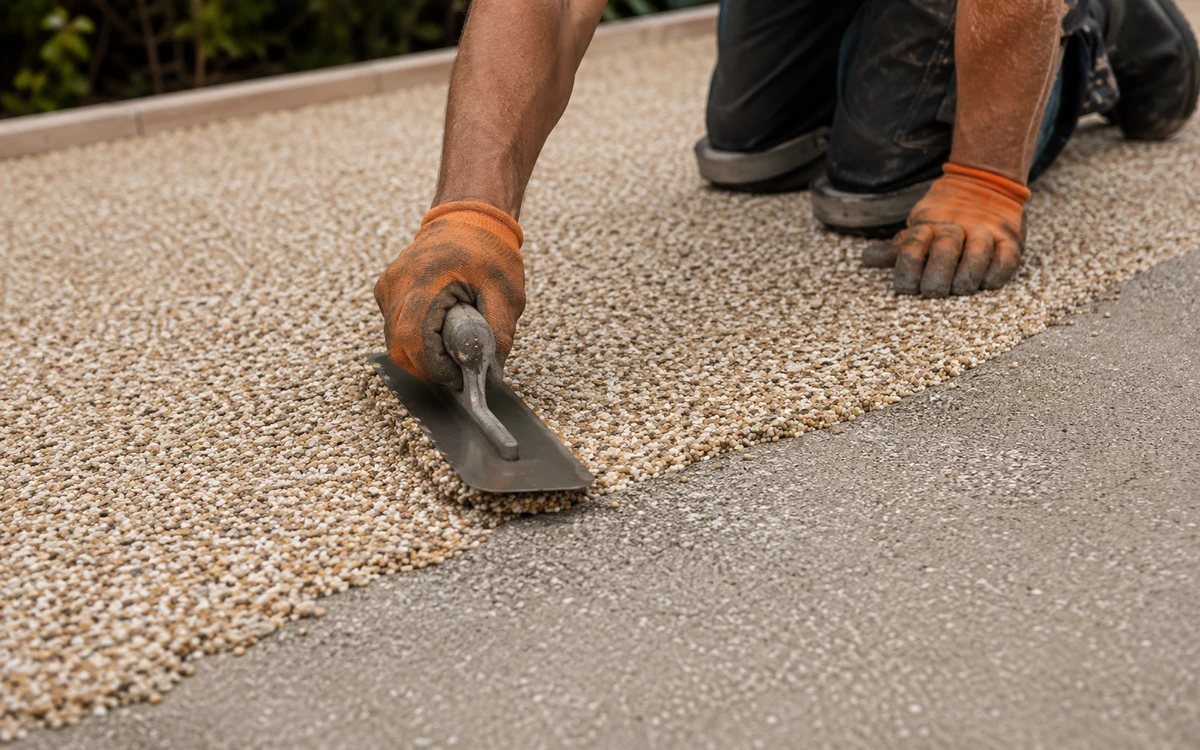
Resin bound surfacing is a permeable paving system made by mixing decorative aggregate with resin and troweling it into a smooth finish. Unlike loose gravel, the stones are fixed in place so the surface stays stable and does not shift under foot or vehicle traffic.
How Do Waterfront Conditions Affect Resin Bound Surfacing In Baltimore?
Humidity and seasonal storms can keep outdoor surfaces exposed to moisture around Baltimore. Neighborhoods near Canton and areas along the Patapsco River waterfront often see wet conditions after rain events. Resin bound surfacing helps improve permeability and reduce standing water.
Can Resin Bound Surfacing Be Installed Over Existing Concrete or Asphalt?
Yes, resin bound surfacing can often be installed over existing concrete or asphalt if the base is structurally sound and free of major cracks or movement. A stable substrate is critical because movement underneath can cause the finished surface to crack or fail.
Why Is My Resin Bound Surface Cracking or Breaking Apart?
Resin bound surfaces usually crack because of base movement, poor drainage, freeze-thaw expansion, or incorrect resin-to-stone ratios during installation. Weak spots in the sub-base can transfer stress upward and damage the finished layer.
Resin Bound Vs. Resin Bonded Surfacing: What Is the Difference?
Resin bound surfacing mixes the stone and resin together before installation, while resin bonded systems scatter aggregate onto a resin-coated base. Resin bound creates a smoother, permeable finish, whereas resin bonded has a rougher texture and is not fully porous.
Does Resin Bound Surfacing Allow Water to Drain Through?
Yes, properly installed resin bound surfacing is porous and allows rainwater to pass through the surface into the base below. This helps reduce standing water, runoff, and puddling on driveways, paths, and patios.
How Long Does Resin Bound Surfacing Typically Last?
A professionally installed resin bound surface typically lasts 10 to 20 years depending on traffic levels, UV exposure, drainage, and maintenance. Keeping the surface clear of debris and organic buildup helps maintain permeability and appearance.
How Much Does Resin Bound Surfacing Cost in Baltimore, MD?
Resin bound surfacing costs in Baltimore, MD typically range between $3,952 and $12,324, with average pricing depending on total surface area, existing base condition, site access, and the amount of preparation required before installation. Pricing can also vary based on aggregate selection, edging and border requirements, drainage considerations, and whether base repairs or full sub-base construction are required.